 |
 |
 |
| Prometheus:
AI Mythology Film |
Ariadne:
AI Mythology Film |
Orpheus:
AI Mythology Film |
 |
 |
 |
| Icarus:
AI Mythology Film |
Inanna:
AI Mythology Film |
Heracles:
AI Mythology Film |
|
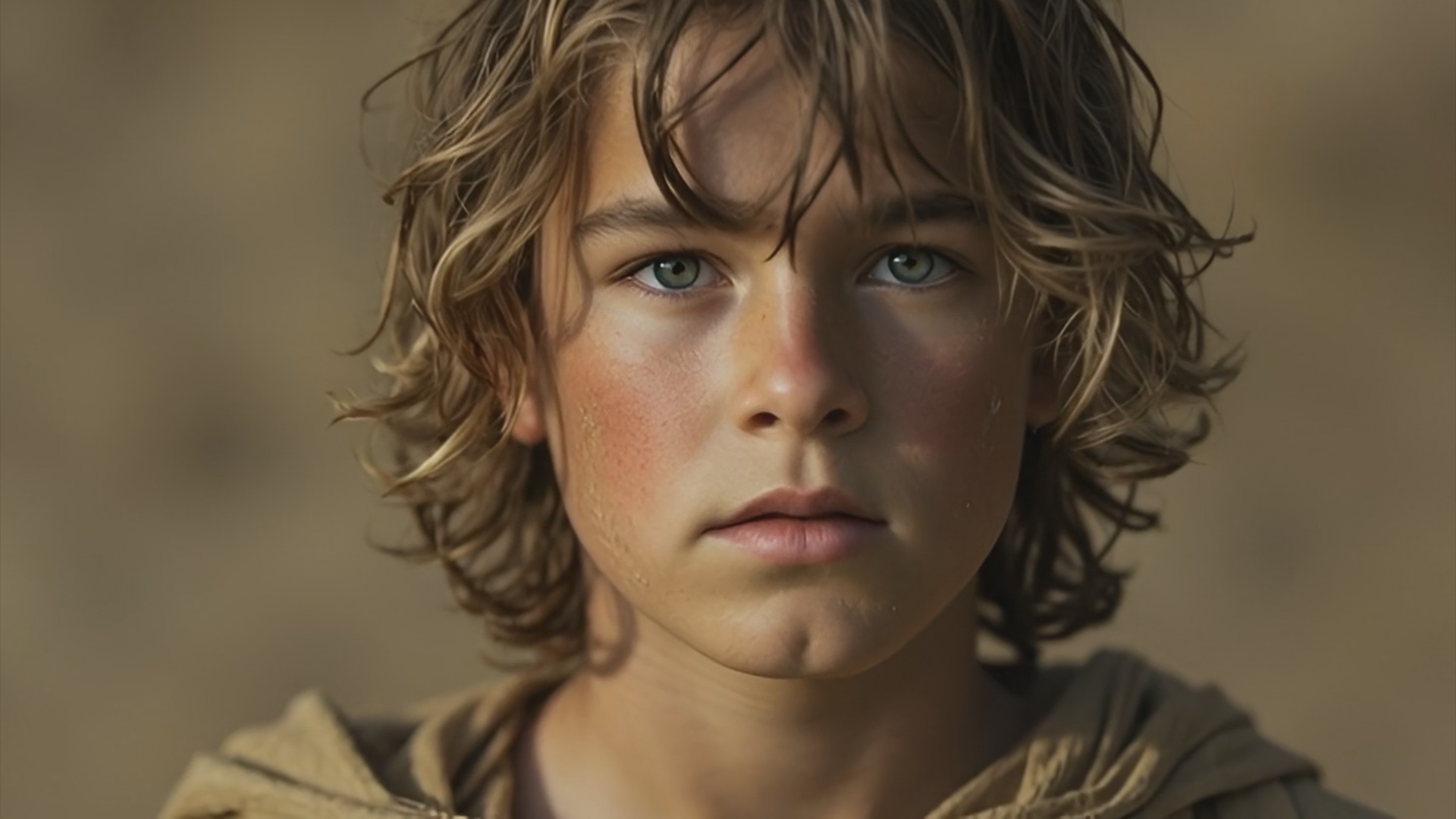
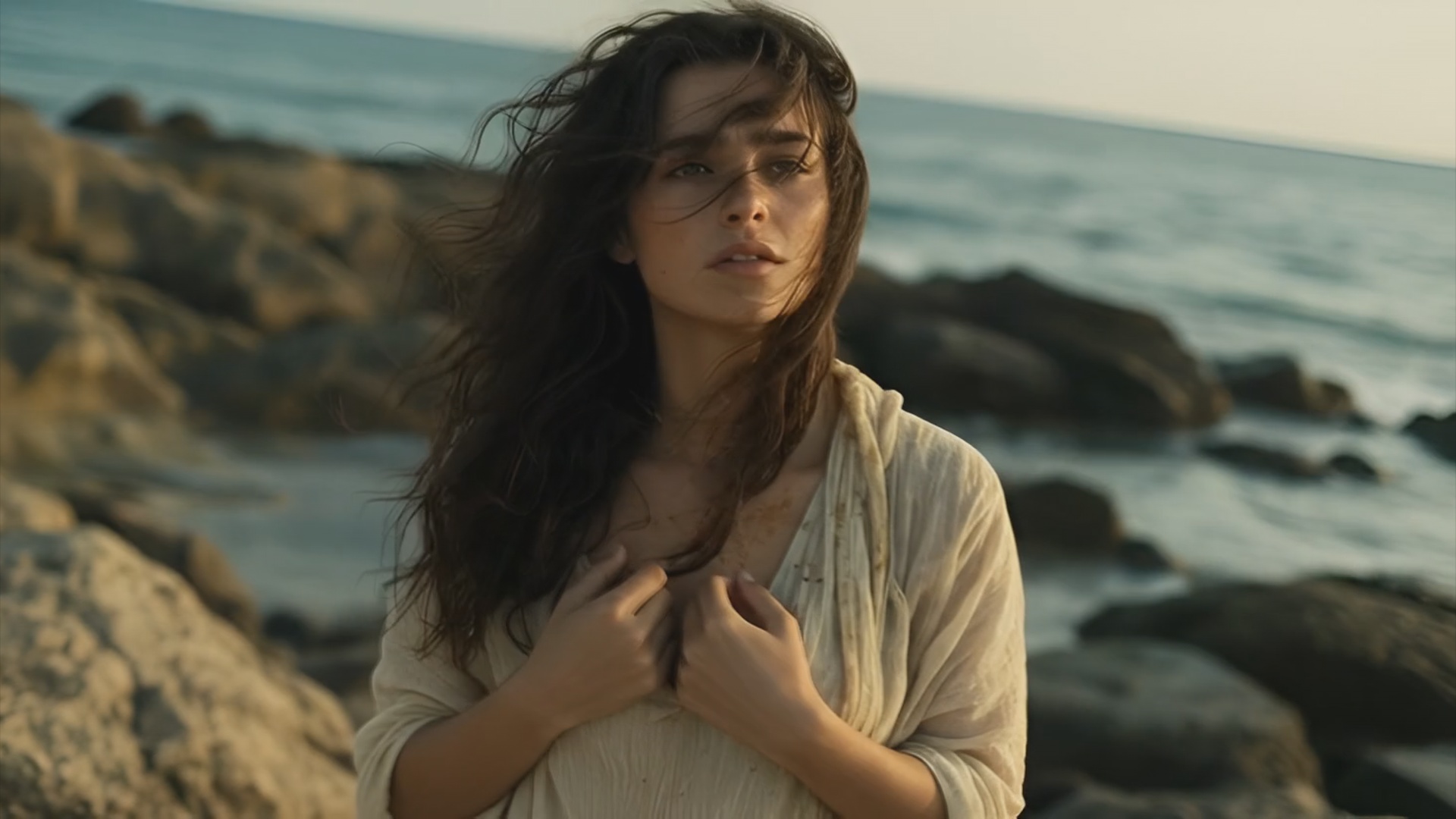
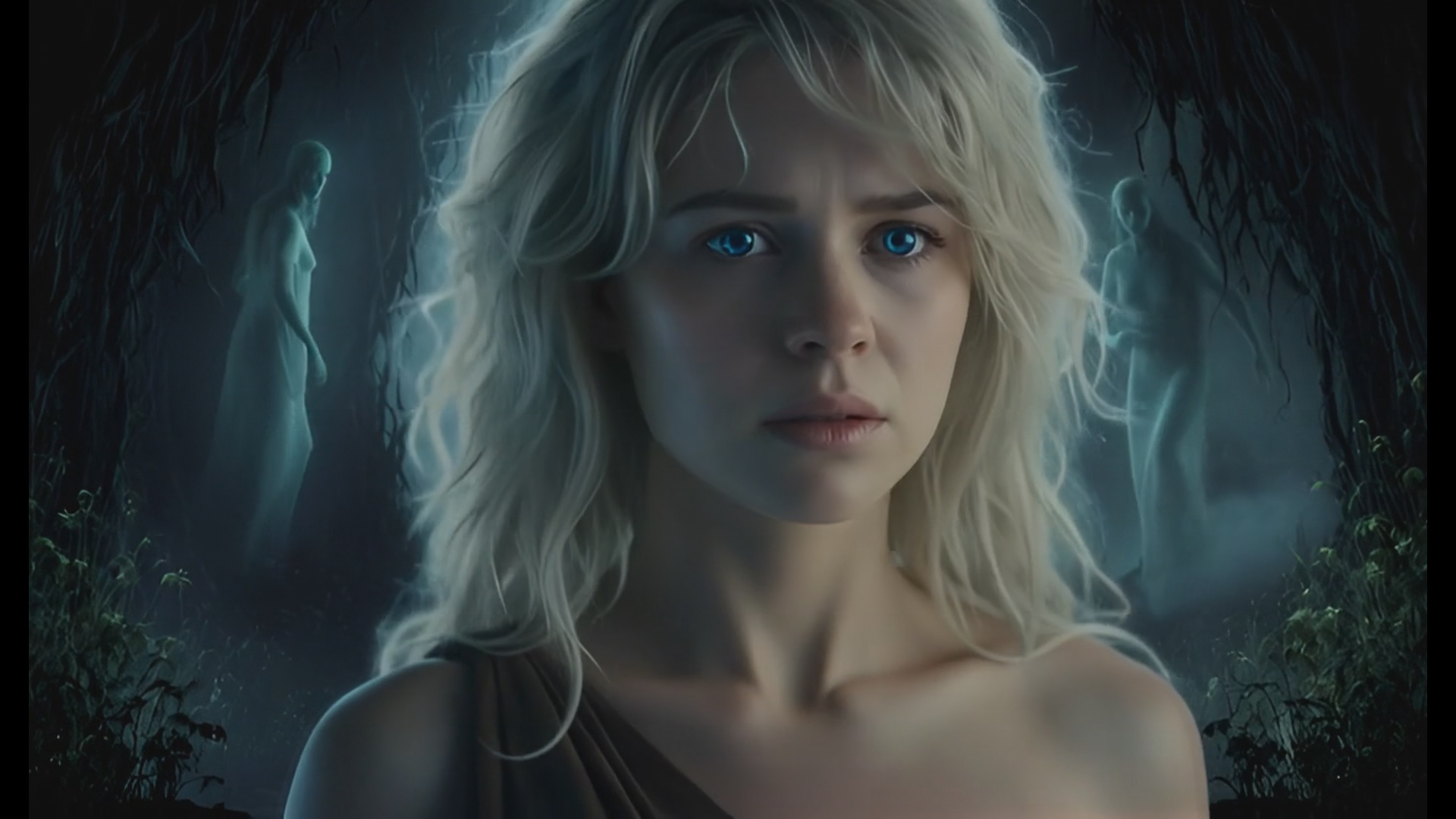
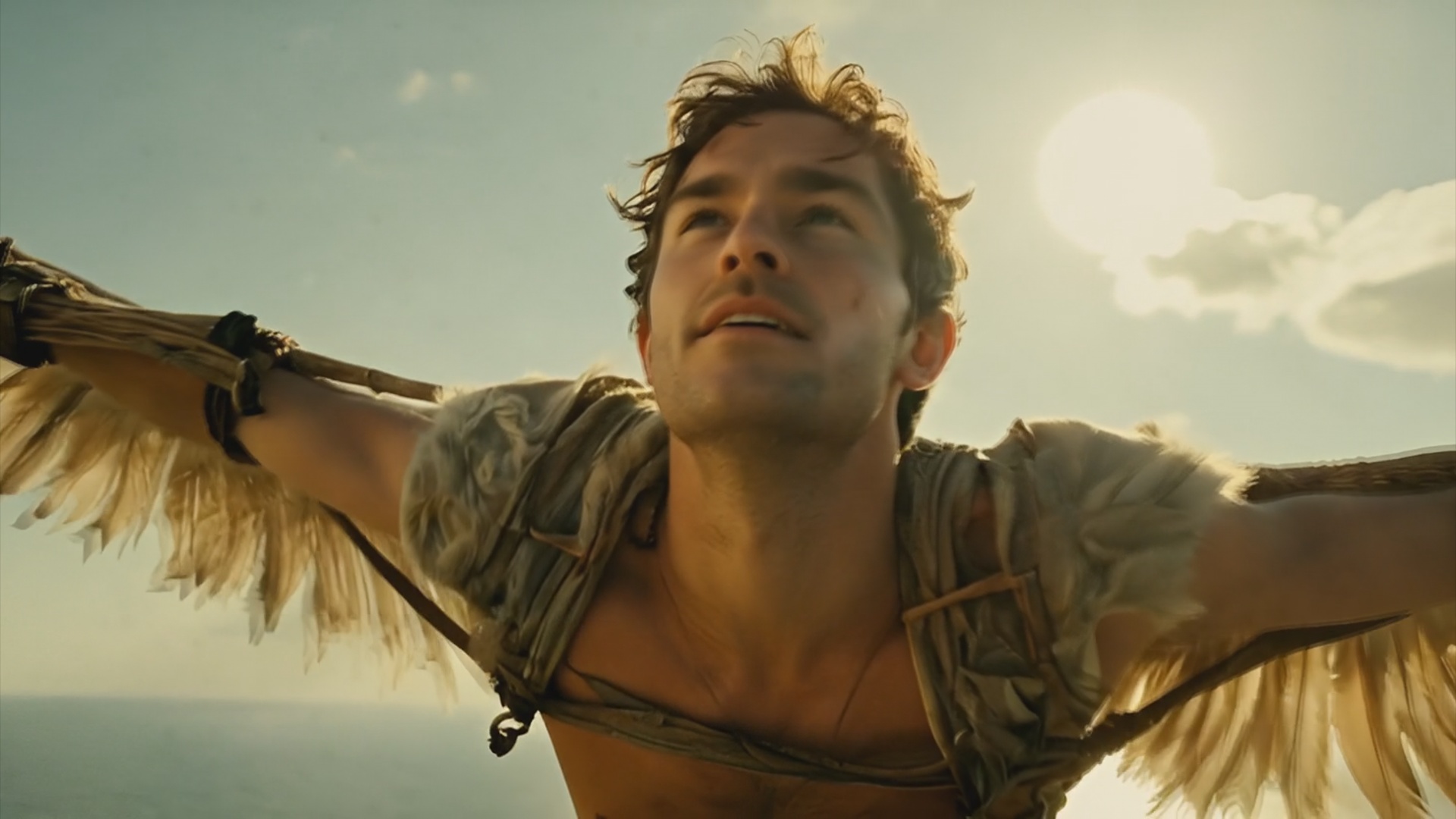
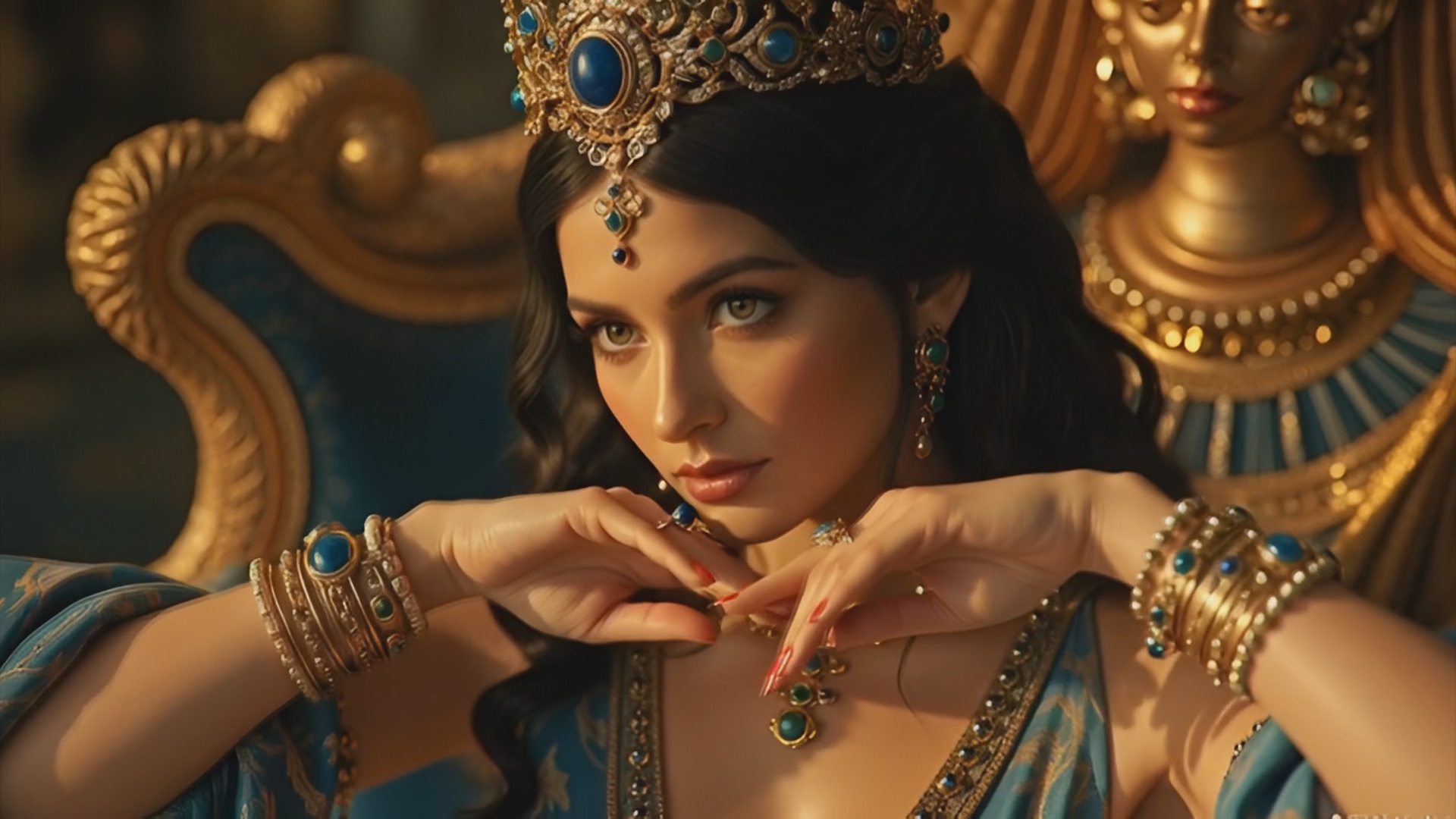
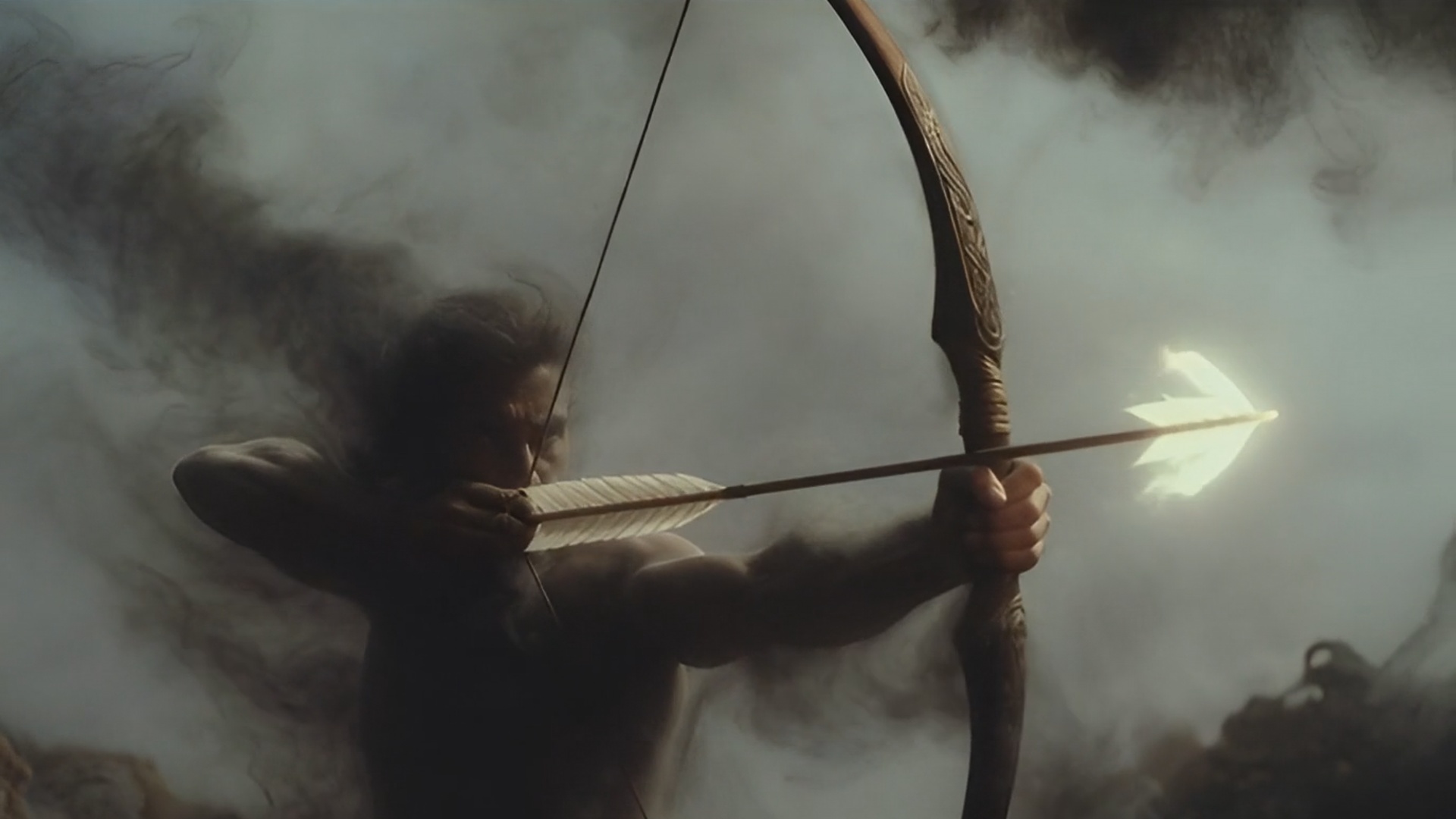
This cycle of six Tableaux reimagines ancient myth not as distant legend, but as intimate human experience. Each episode draws from well-known narratives—Prometheus, Icarus, Orpheus, Ariadne, Heracles, Inanna—yet none of them is presented as a museum reconstruction. Instead, they are filtered through a contemporary sensibility: fragile, searching, psychologically nuanced. The gods do not thunder from marble heights; they hesitate, doubt, desire, and fail. The heroes are not monuments—they are consciousnesses in crisis. I. The AI Films — Rewriting Myth as Inner DramaThe six Tableaux form a cinematic arc built through AI-generated imagery, carefully shaped, curated, and edited to serve a coherent dramatic language. The aim was not technological spectacle, but interpretive freedom. Myth has always been retold; each epoch reshapes it to mirror its own anxieties and aspirations. In this project, AI becomes the modern equivalent of the ancient rhapsode—a tool for re-voicing inherited stories. In Prometheus, the theft of fire
becomes less a
political revolt than a confrontation of gaze and power: the moment a
mortal dares to look directly at the divine and refuses
submission. These reinterpretations move the myths inward. Rather than cosmic spectacle, the focus is psychological descent and awakening. AI imagery allows transitions that feel dreamlike—walls that breathe, light that fractures, figures dissolving into abstraction—mirroring the unstable terrain of inner transformation. The result is not illustration, but visual meditation. II. The Music — A Modern Symphonie à ProgrammeThe musical conception consciously recalls the lineage of the programmatic symphony, most notably Symphonie fantastique by Hector Berlioz. In the 19th century, Berlioz expanded the orchestra into a psychological theater, allowing narrative and orchestration to merge into a single expressive organism. His idea of the idée fixe—a recurring musical identity—transformed thematic material into emotional memory. This project stands in dialogue with that tradition. A “symphonie à programme” is not background music to images; it is structural storytelling through sound. Motifs evolve across the six Tableaux, sometimes subtly transformed, sometimes violently fractured. A gesture heard in Prometheus may reappear, transfigured, in Inanna—suggesting continuity between rebellion and rebirth. The orchestration is deliberately expansive. Acoustic forces—strings, winds, brass, percussion—interact with electronic textures that extend resonance beyond the physical instrument. Electronics are not decorative; they act as psychological undercurrents: low-frequency tremors of doubt, shimmering spectral halos of memory, rhythmic pulses that suggest inevitability. Stylistically, the language is modern yet melodious. Harmonic fields may stretch toward dissonance, but they do not abandon lyric impulse. Rhythms may fracture, yet they retain kinetic clarity. The intention is not abstraction for its own sake, but heightened expressivity—music that remains singable even when harmonically adventurous. This balance between complexity and melodic contour invites the listener into contemporary sound without alienation. III. Image and Sound — A Unified ExperienceThe visual dimension does not merely accompany the music; it amplifies perception. In silence, an image can remain static. In music, a phrase unfolds temporally. When combined, the two generate a third layer—associative resonance. A sustained string chord beneath a dissolving figure transforms the image into memory. A sudden orchestral accent reframes a gesture as revelation. The AI-crafted visuals enhance the programmatic nature of the score. Abstract textures correspond to orchestral timbre; visual rhythm parallels musical pacing. Light intensifies as harmony brightens; shadow thickens as tonal gravity deepens. This synesthetic alignment encourages active listening. The viewer does not simply watch—they hear more acutely because the eye is guided. Ultimately, these six Tableaux form a meditation on transformation: fire stolen, wings broken, love lost, strength purified, illusion stripped away, identity reborn. The myths endure not because they are ancient, but because they remain mirrors. Through contemporary orchestration and evolving visual language, they speak again—not as relics, but as living questions. This is not nostalgia. It is renewal.
Ce cycle de six Tableaux revisite les grands mythes non comme des récits lointains et figés, mais comme des expériences humaines intimes. Chaque épisode — Prométhée, Icare, Orphée, Ariane, Héraclès, Inanna — s’inspire de sources connues, sans jamais chercher à les reconstituer de manière archéologique. Il s’agit au contraire d’une réécriture assumée, où le mythe devient matière vivante, traversée par nos propres interrogations contemporaines. Les dieux ne dominent plus depuis un ciel inaccessible ; ils deviennent forces intérieures. Les héros ne sont plus des statues de marbre : ils doutent, désirent, échouent, se transforment. I. Les films IA — Repenser le mythe comme drame intérieurLes six Tableaux prennent forme à travers des images générées par intelligence artificielle, soigneusement dirigées, sélectionnées et montées afin de construire un langage visuel cohérent. L’objectif n’était pas l’effet technologique, mais la liberté interprétative. Le mythe a toujours été réinventé : chaque époque l’a remodelé selon sa sensibilité. Ici, l’IA devient l’outil contemporain d’un récit ancestral — un nouveau médium pour faire résonner des histoires anciennes. Dans Prométhée, le vol du feu n’est
pas
seulement un acte de rébellion cosmique : il devient un affrontement
du regard, une résistance silencieuse face à l’autorité. Ces récits sont déplacés vers l’intérieur. L’image IA permet des transitions fluides et oniriques : murs qui respirent, corps qui se dissolvent, lumières qui se fragmentent. Elle suggère l’instabilité de l’âme en transformation. Loin d’illustrer le mythe, elle en propose une méditation visuelle. II. La musique — Une symphonie à programme contemporaineLa conception musicale s’inscrit consciemment dans la tradition de la symphonie à programme, dont un jalon majeur demeure la Symphonie fantastique de Hector Berlioz. Au XIXe siècle, Berlioz transforma l’orchestre en théâtre psychologique, donnant au matériau thématique une fonction narrative. Son idée d’« idée fixe » fit du motif musical un vecteur de mémoire et d’obsession. Cette œuvre s’inscrit dans cet héritage, tout en l’inscrivant dans un langage du XXIe siècle. Une symphonie à programme n’est pas un simple accompagnement : elle structure l’écoute, elle raconte par le son. Des motifs réapparaissent d’un Tableau à l’autre, métamorphosés, parfois disloqués, parfois sublimés. Un geste né dans Prométhée peut renaître dans Inanna, suggérant une continuité symbolique entre révolte et renaissance. L’orchestration se veut ample et contrastée. Les instruments acoustiques — cordes, bois, cuivres, percussions — dialoguent avec des textures électroniques qui prolongent et élargissent leur spectre. L’électronique n’est pas décorative : elle agit comme une dimension psychologique supplémentaire, créant des nappes souterraines, des halos lumineux, des pulsations intérieures. Le langage est résolument moderne, mais mélodique. Les harmonies explorent des zones tendues sans renoncer à la ligne chantante. Les rythmes peuvent se fragmenter, mais conservent une lisibilité expressive. L’ambition est d’offrir une écriture contemporaine qui reste incarnée — dense, mais accessible à l’émotion immédiate. III. Image et musique — Une expérience amplifiéeLa rencontre entre image et son crée une troisième dimension perceptive. Une image isolée demeure fixe ; la musique, seule, se déploie dans le temps. Ensemble, elles génèrent une résonance nouvelle. Un accord suspendu sous une figure qui se dissout transforme la scène en souvenir. Un accent orchestral soudain reconfigure la signification d’un geste visuel. Les images IA dialoguent avec la matière orchestrale : textures abstraites répondant aux timbres, rythmes visuels épousant les dynamiques musicales. Lumière et harmonie se répondent ; ombre et gravité tonale s’approfondissent mutuellement. Cette synesthésie volontaire encourage une écoute active, attentive, immersive. Au terme des six Tableaux, le parcours dessine une trajectoire de transformation : feu arraché, ailes brisées, amour perdu, purification, dépouillement, renaissance. Les mythes ne survivent pas parce qu’ils sont anciens, mais parce qu’ils demeurent des miroirs. À travers une orchestration contemporaine et un langage visuel renouvelé, ils retrouvent voix — non comme vestiges, mais comme interrogations vivantes. Il ne s’agit pas de nostalgie. TR Symphonie Mythologique — Altı Tablo Bu altı Tableau’dan oluşan döngü, bilinen mitleri uzak ve donmuş efsaneler olarak değil, insanın içsel deneyimi olarak yeniden düşünür. Prometheus, Ikarus, Orfeus, Ariadne, Herakles ve Inanna… Hepsi tanıdık anlatılara dayanır; ancak burada amaç tarihsel bir yeniden üretim değildir. Bu eser, mitleri bugünün bilinciyle yeniden yazma girişimidir. Tanrılar artık ulaşılmaz bir gökyüzünden hükmetmez; insanın içinde yankılanan güçlere dönüşür. Kahramanlar mermer heykeller değil; arzulayan, tereddüt eden, yanılan ve dönüşen bilinçlerdir. I. Yapay Zekâ Filmleri — Mitin İçsel Drama DönüşmesiAltı Tableau, yapay zekâ ile üretilmiş görseller aracılığıyla inşa edildi. Ancak burada teknoloji bir amaç değil, anlatımın hizmetindedir. Mitler her çağda yeniden anlatılmıştır; her dönem onları kendi sorularına göre biçimlendirmiştir. Bu projede yapay zekâ, çağdaş bir anlatıcı işlevi görür — eski hikâyelere yeni bir ifade alanı açar. Prometheus’ta ateşin çalınması yalnızca
kozmik bir isyan değildir; tanrısal otoriteye karşı doğrudan
bakışın cesaretidir. Bu yeniden okumalar mitleri dış dünyadan iç dünyaya taşır. Yapay zekâ görselleri, rüya benzeri geçişlere izin verir: çözülüp dağılan bedenler, titreşen duvarlar, ışığın parçalanması… Bu estetik, ruhsal dönüşümün istikrarsız doğasını yansıtır. Amaç illüstrasyon değil, görsel bir meditasyondur. II. Müzik — Çağdaş Bir “Programlı Senfoni”Bu yapıt, programlı senfoni geleneğiyle bilinçli bir diyalog kurar. Bu geleneğin en önemli örneklerinden biri olan Symphonie fantastique, Hector Berlioz tarafından 1830’da bestelenmiştir. Berlioz, orkestrayı psikolojik bir tiyatroya dönüştürmüş, tematik malzemeyi anlatısal bir unsura çevirmiştir. “Idée fixe” kavramıyla bir müzikal motif, hatıranın ve takıntının sembolü haline gelmiştir. Bu eser de benzer bir anlayışla kurgulanmıştır. Programlı senfoni, görüntüye eşlik eden müzik değildir; müzik başlı başına anlatıdır. Temalar Tableau’lar arasında dönüşerek tekrar eder; kimi zaman parçalanır, kimi zaman yücelir. Prometheus’ta duyulan bir motif, Inanna’da arınmış bir biçimde geri dönebilir. Böylece anlatı, yalnız görsel değil müzikal süreklilikle de örülür. Orkestrasyon geniş ve katmanlıdır. Yaylılar, nefesliler, bakır üflemeliler ve vurmalılar; elektronik dokularla birleşir. Elektronik öğeler dekoratif değil, psikolojik derinlik sağlayan bir boyuttur: alttan gelen titreşimler, spektral yankılar, içsel nabız gibi atan ritimler. Üslup modern fakat melodiktir. Harmonik alanlar zaman zaman gerilimli olsa da lirik çizgi terk edilmez. Ritim kırılgan olabilir; fakat ifade netliğini korur. Amaç, çağdaş bir dil içinde duygusal erişilebilirliği sürdürmektir. III. Görsel ve İşitsel Birlik — Deneyimin DerinleşmesiGörsel ile müzik birleştiğinde üçüncü bir algı katmanı doğar. Tek başına bir görüntü sabittir; müzik ise zaman içinde akar. Birlikte ise anlam genişler. Sürekliliği olan bir yaylı akorunun altında çözülüp kaybolan bir figür, sahneyi bir anıya dönüştürür. Ani bir orkestral vurgu, görüntünün anlamını yeniden çerçeveler. Yapay zekâ ile oluşturulan görseller, orkestral tınılarla paralel ilerler. Soyut dokular, timbral renklerle örtüşür; görsel ritim, müziğin dinamiğini takip eder. Işık yoğunlaştıkça armoni açılır; gölge derinleştikçe tonal ağırlık artar. Bu bilinçli eşleşme, izleyiciyi daha dikkatli bir dinleyişe davet eder. Altı Tableau’nun sonunda ortaya çıkan şey bir dönüşüm yolculuğudur: çalınan ateş, kırılan kanatlar, kaybedilen aşk, arınma, soyunma ve yeniden doğuş. Mitler eski oldukları için değil, insanın kendini onlarda yeniden bulabildiği için yaşar. Bu çalışma bir nostalji değil; |
|||||||||||||||||||||||||
| |
|||||||||||||||||||||||||
|
|||||||||||||||||||||||||